Connecting Kids to Conservation and Science Through the Story of the Bobwhite Quail

“As a teacher, this is the type of field trip I have been waiting for.”
This year, the Tennessee State Parks Conservancy supported a field trip design that incorporates STEM learning and habitat improvement for declining Bobwhite quail. STEM stands for science, technology, engineering, and mathematics. It represents an interdisciplinary approach that prepares students for future careers and connects kids to conservation.
Field trips are crucial for middle school STEM lessons because they provide hands-on experiences. As a result, students bring theoretical concepts to life. They also interact directly with STEM concepts, which deepens understanding and sparks curiosity.
Building a Hands-On STEM Experience
Through a grant from the Arconic Foundation, the Conservancy partnered with Seven Islands State Birding Park and Knox County Schools. Together, they developed a field trip experience guide for schools to use at the park. This fall, the pilot program included 32 students from South Doyle Middle School in Knox County.
Staff at Seven Islands State Birding Park helped design the field trip guide. In addition, they worked directly with students during the visit. The learning objective is for students to understand the profession of a wildlife biologist.
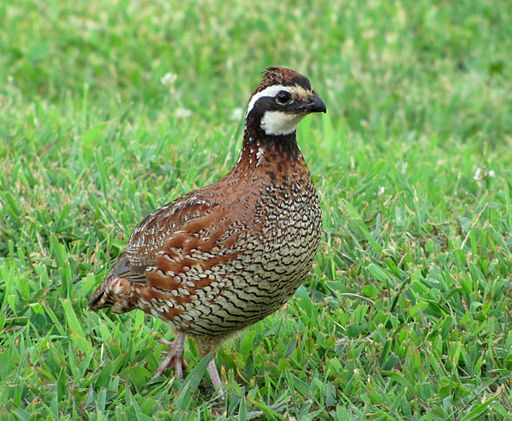
Why the Bobwhite Quail Matters
So, where does the Bobwhite quail come in? First, students explored how to manage land to increase Bobwhite populations and attract them to the park.
“Bobwhite quail are an umbrella species for us at Seven Islands State Birding Park,” said Claire Dattilo, Park Interpretive Ranger. “They are a declining grassland species, and the habitat they need also supports many other species.”
Sparking Curiosity and Career Dreams
Jennifer Sauer, a sixth-grade teacher in Knox County, praised the hands-on components and the pre- and post-assignments. “The video and materials we received before going enhanced the learning experience,” she said. “When Ranger Dattilo asked a question, all the students’ hands shot up.”
As a result, students left with a deeper understanding of Bobwhite quail and wildlife biologists. Their reflections captured a spark of discovery. They learned that not all birds nest in trees. They discovered that fire can help certain plants grow. Some even declared that “plants are cool.”
Several students said the trip opened their eyes to conservation careers. One student said they want to be a wildlife biologist because “they help the forest and animals.” Another noted that park rangers protect habitats and keep parks healthy for the species that depend on them.
Bobwhite Quail, Conservation Careers, Environmental Education, Seven Islands State Birding Park, STEM Education, Tennesse State Parks Conservancy, Tennessee State Parks, Tennessee State Parks Conservancy